English
  Русский
  Беларуская мова
  French
  Spanish
  中文(繁體.台灣)
  العربية الموحدة
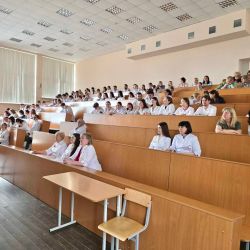
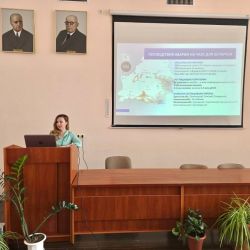
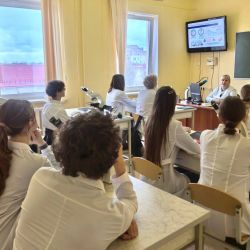
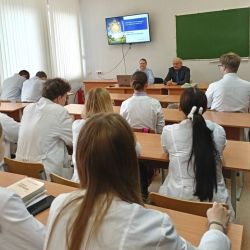
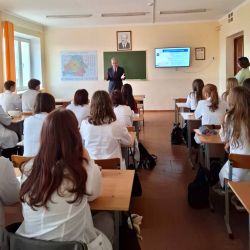
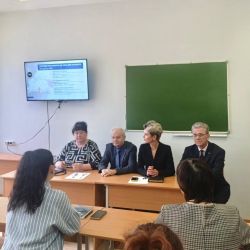
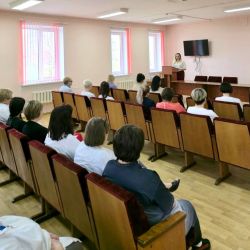
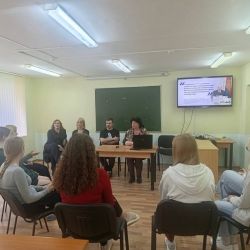
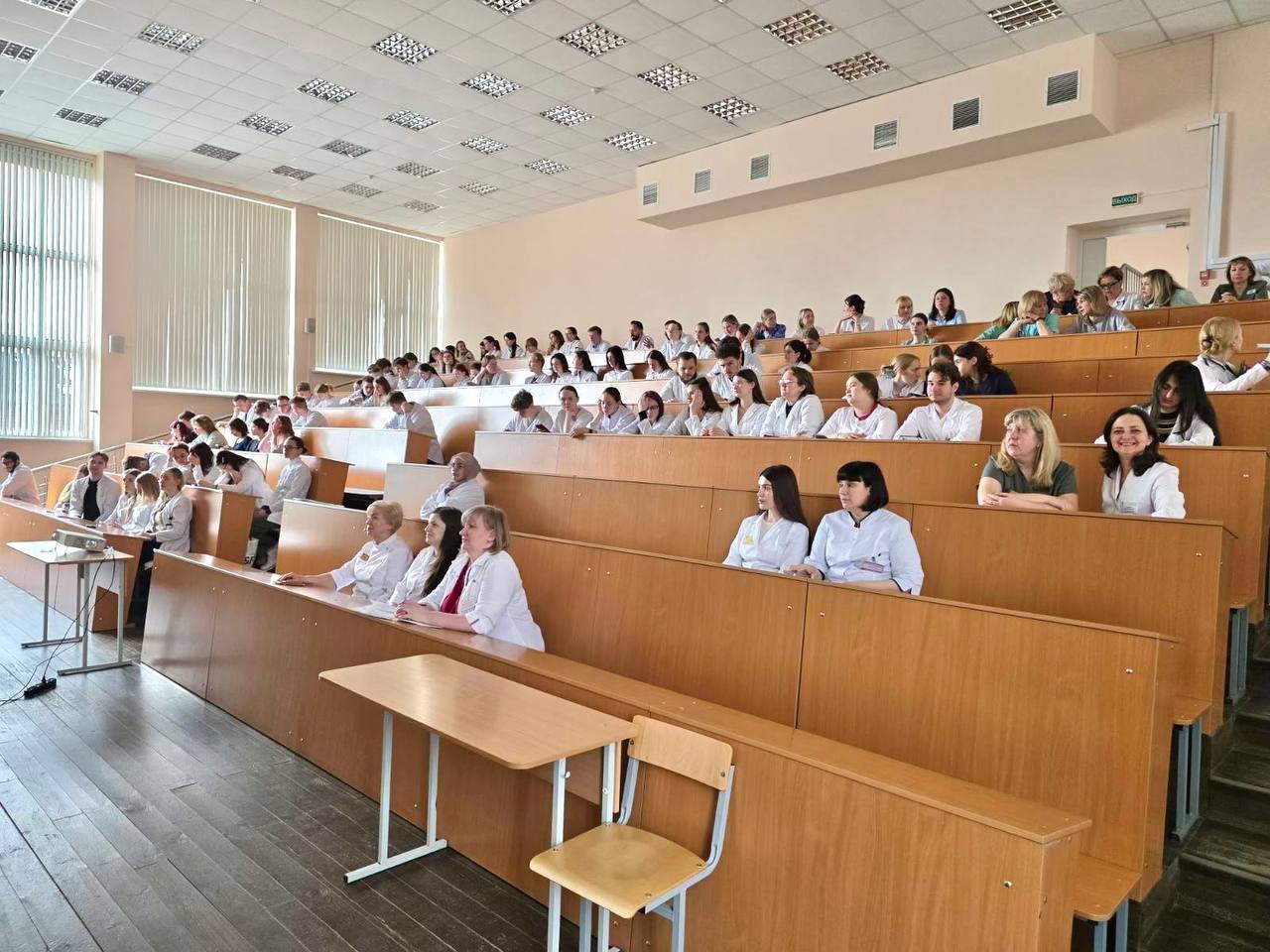
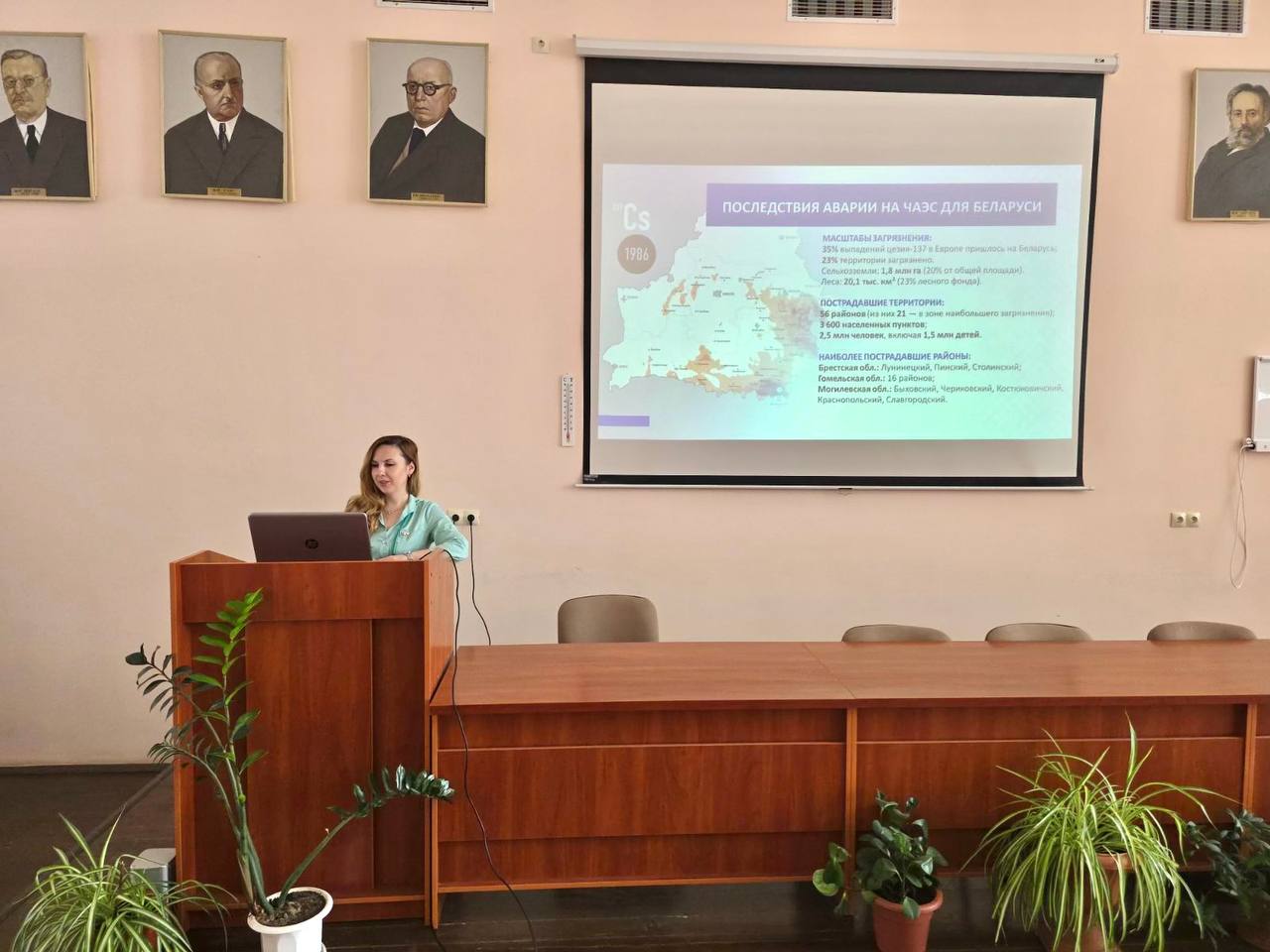
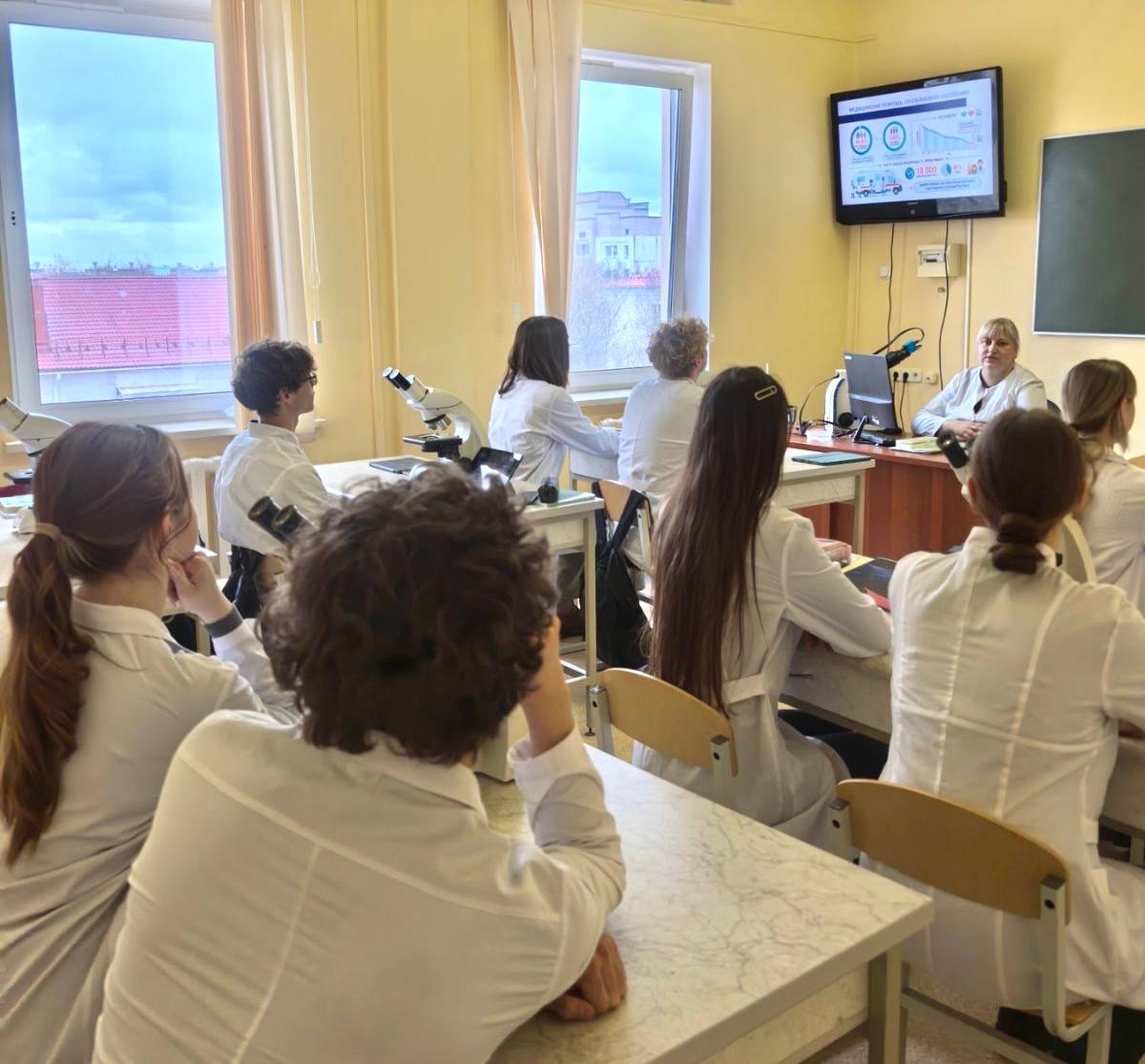
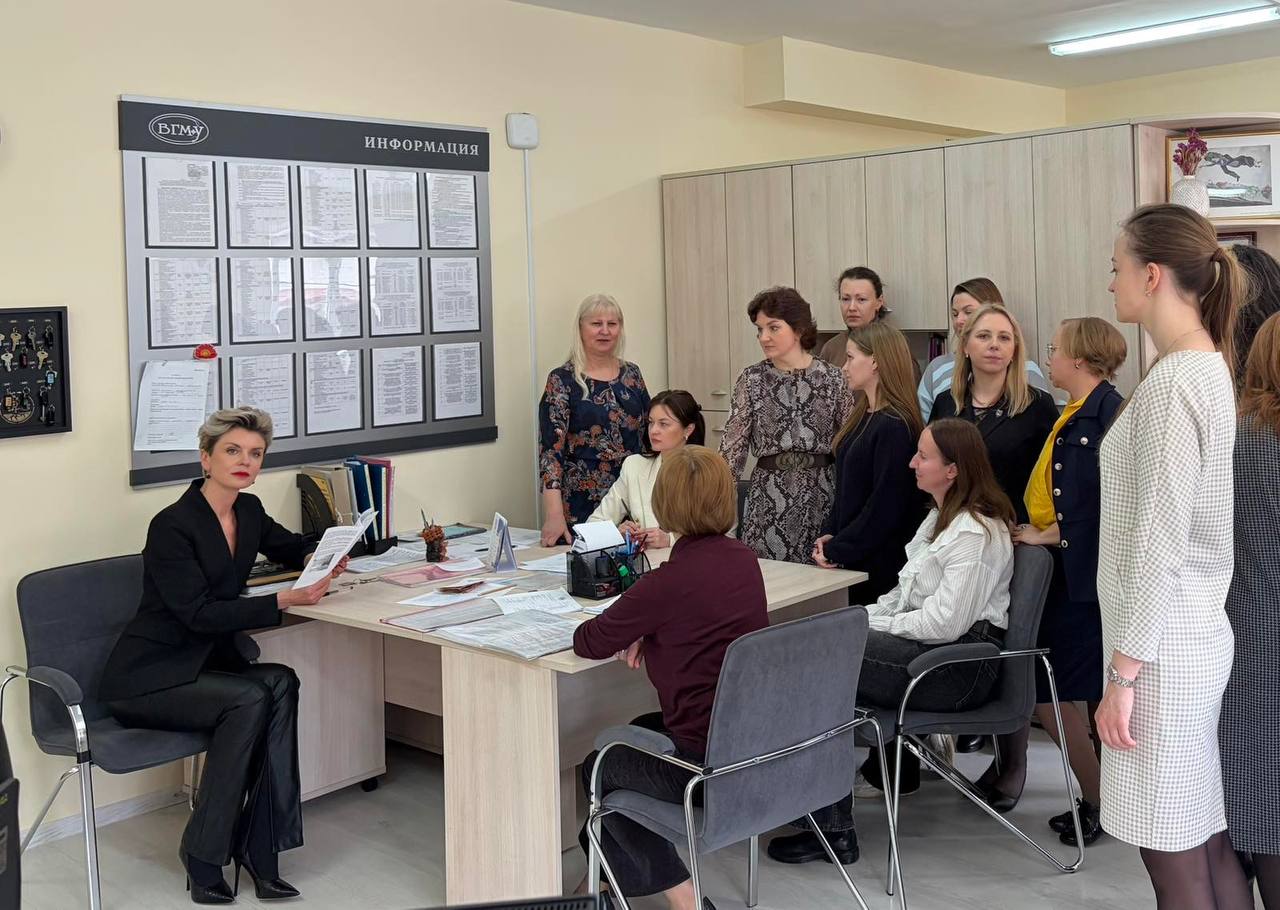
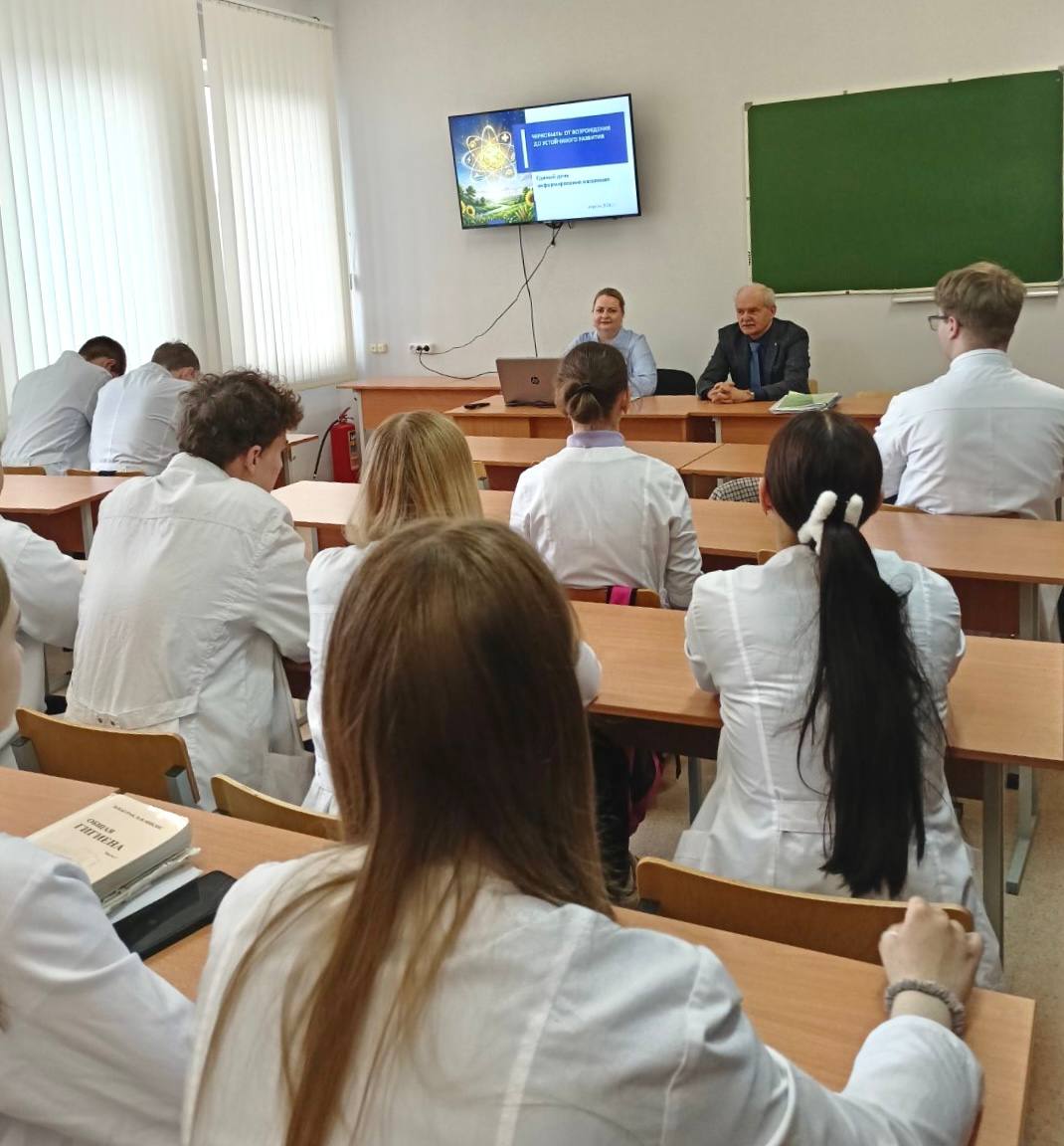
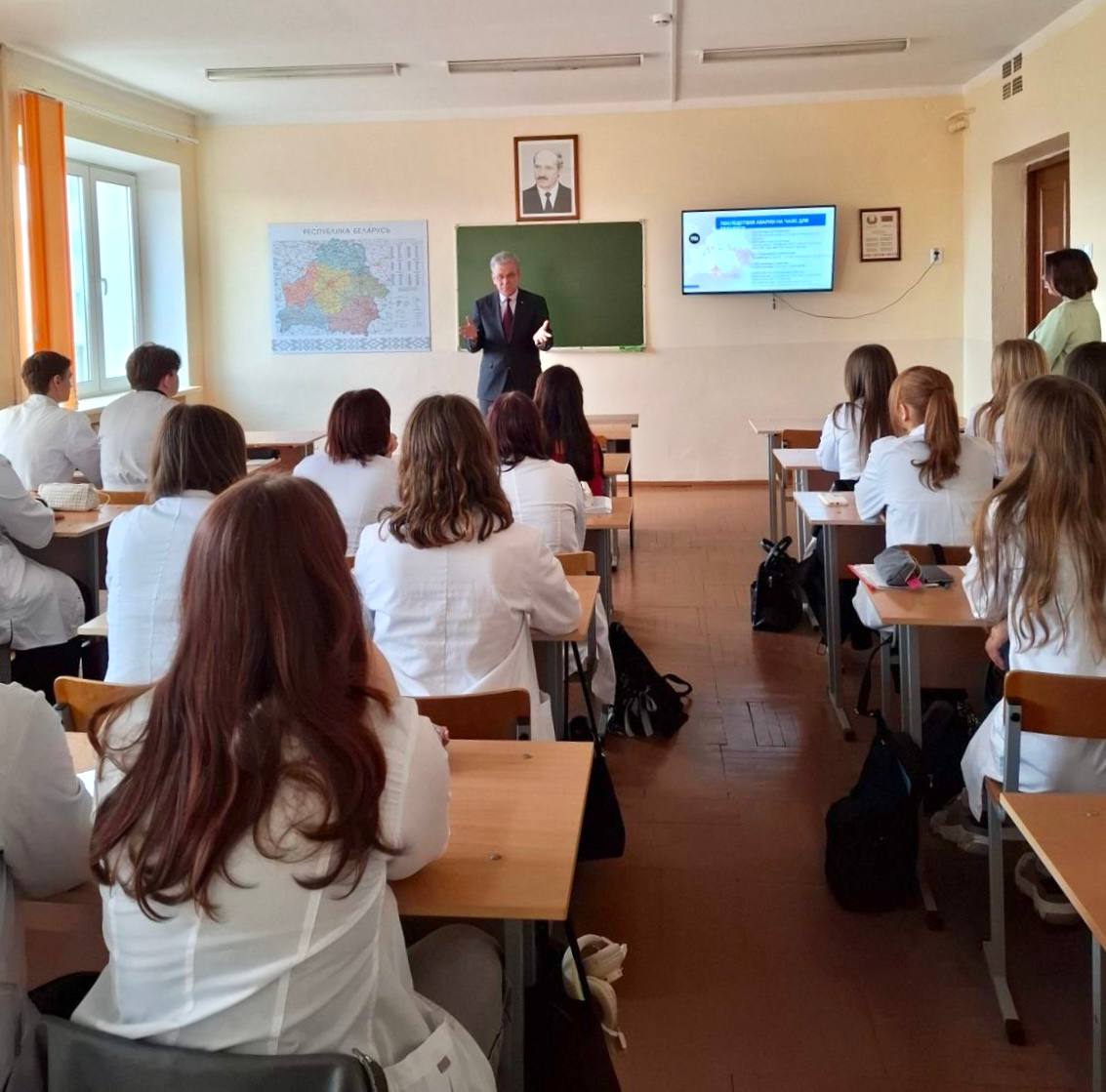
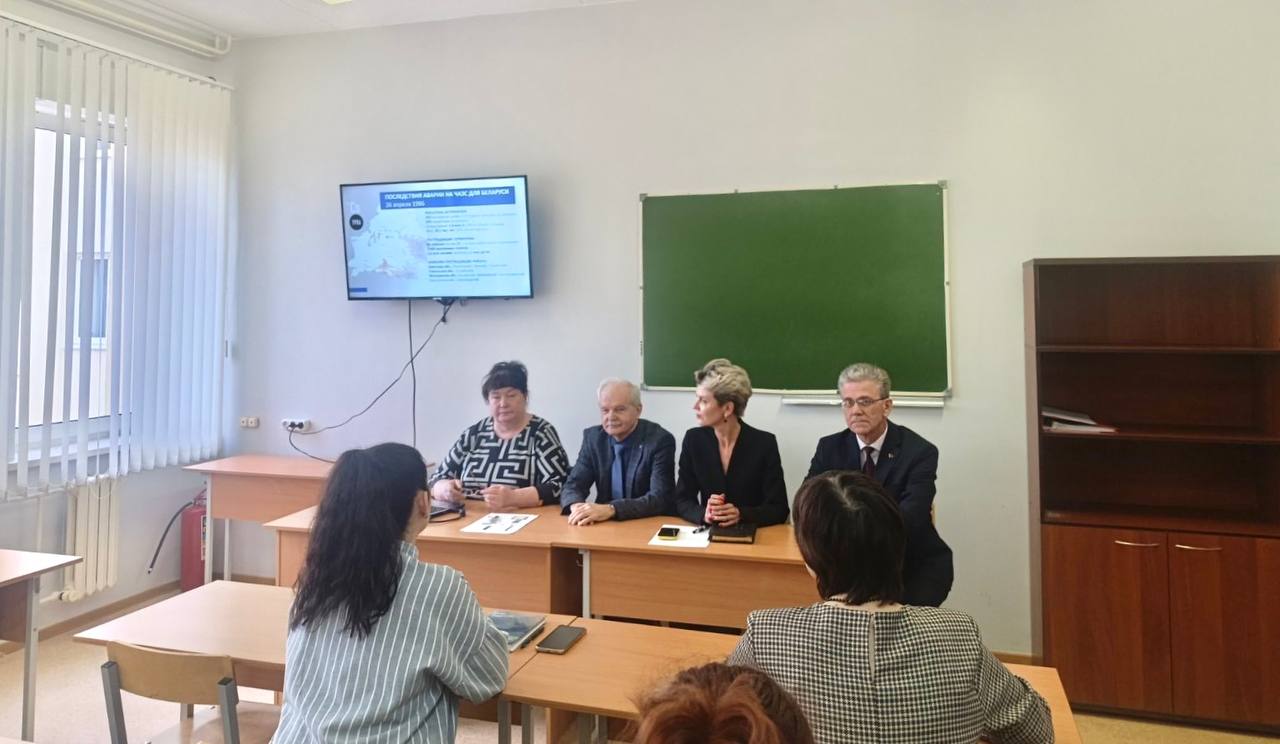
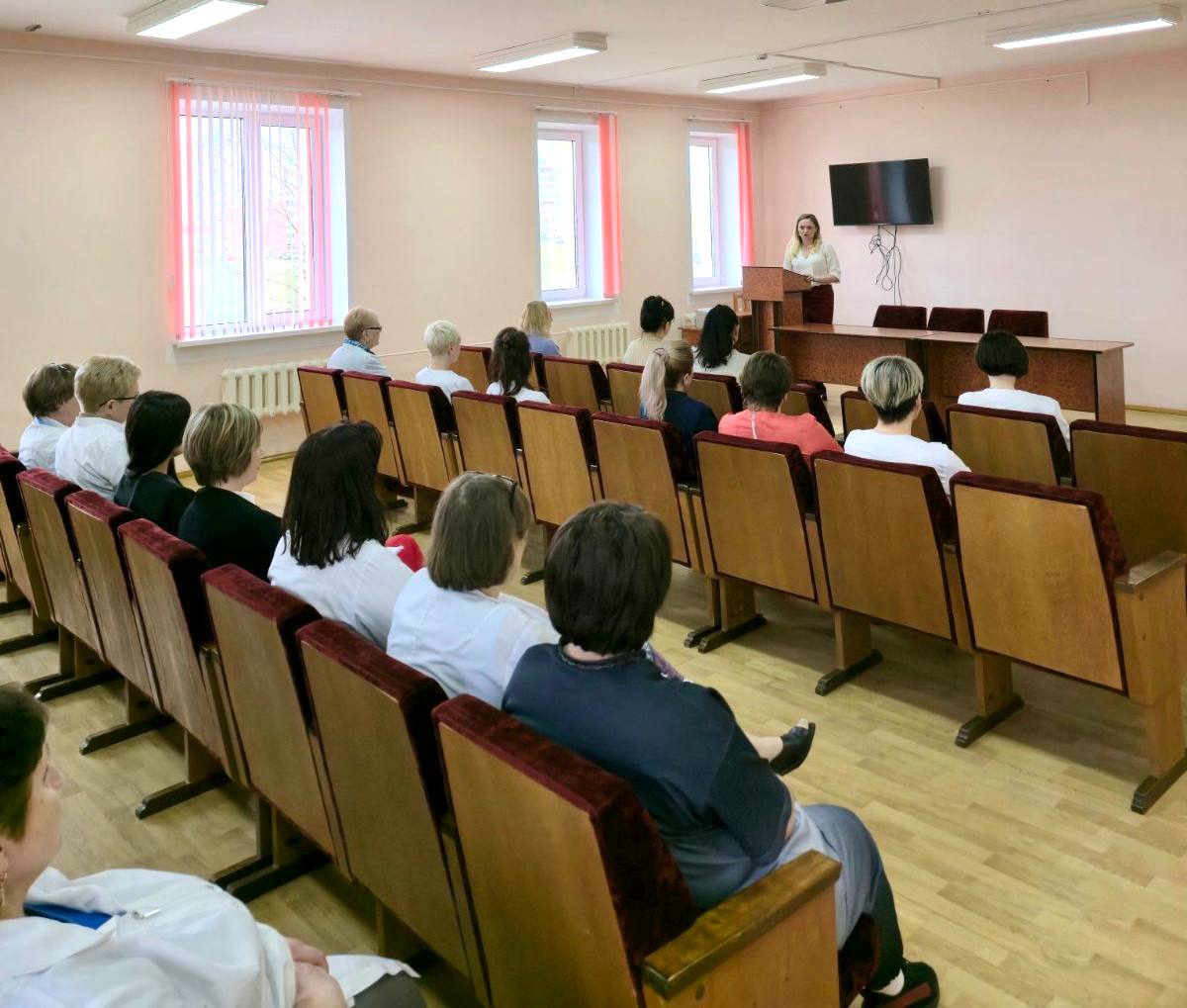
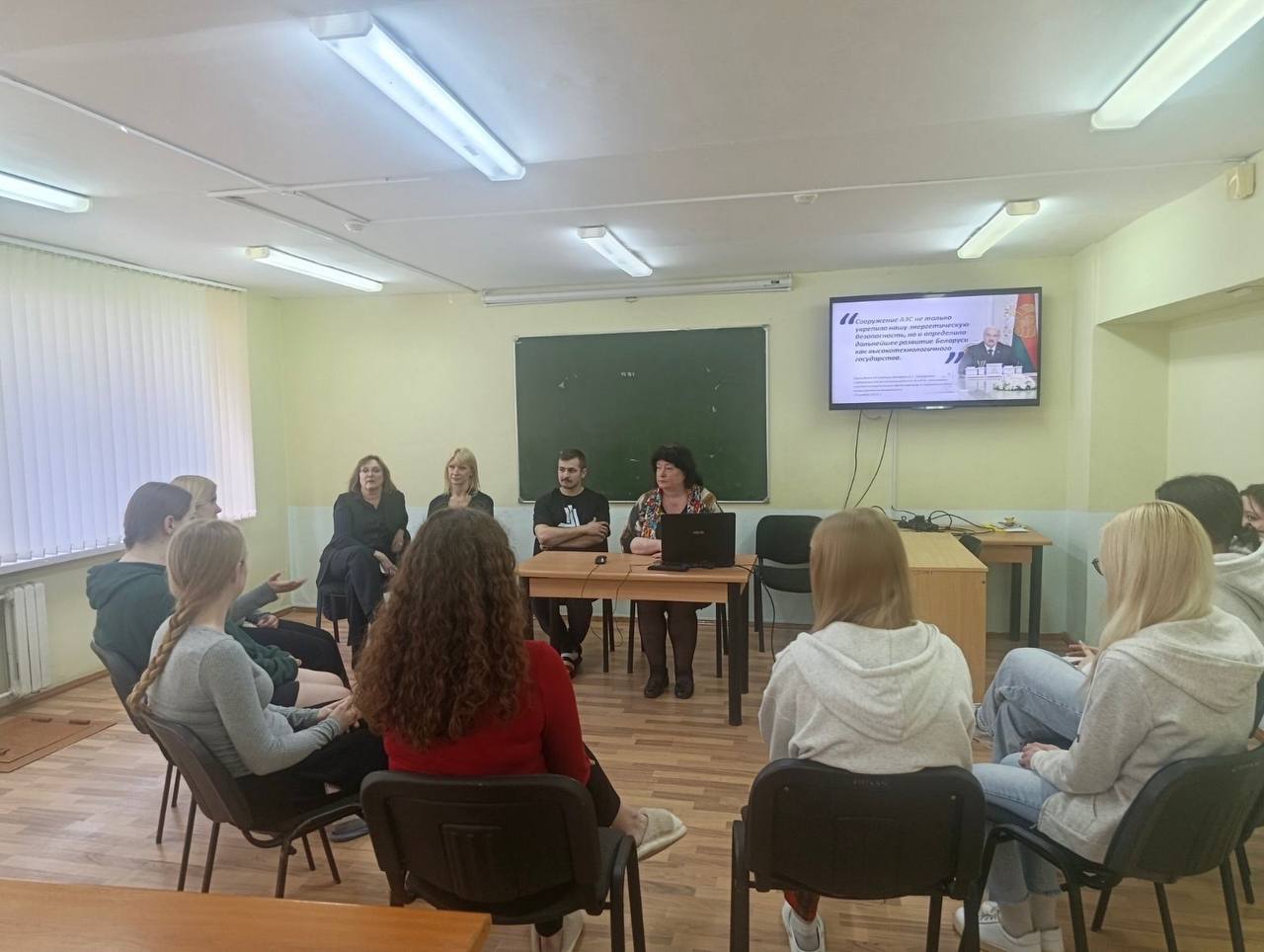
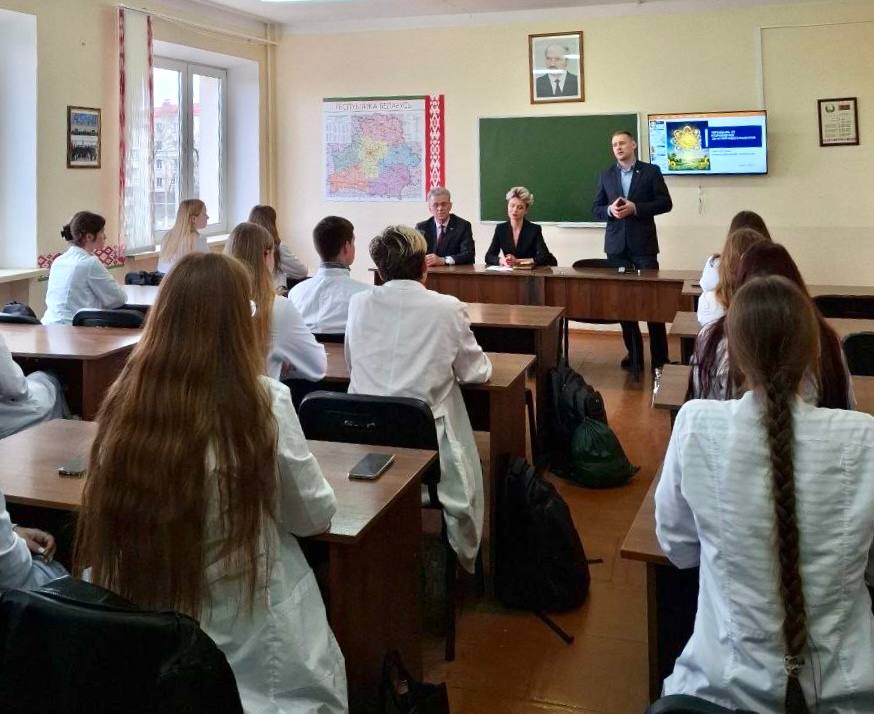 On April 16, 2026, information meetings were held at VSMU as part of a Single information Day on the topic: "Chernobyl: from renaissance to sustainable development."
The events covered all faculties and structural divisions of the university, the VSMU Clinic, student dormitories, as well as clinical departments.
The event became a platform for discussing the consequences of the Chernobyl disaster, social protection measures for victims, especially children, as well as steps to restore and develop the affected region.
During the speeches, the speakers noted that the state policy of Belarus is aimed at reducing the radiation risk to public health and ensuring their safe functioning.
Within the framework of this policy, six state programs have already been implemented dedicated to overcoming the consequences of the Chernobyl accident and the socio-economic development of the affected regions.
Currently, Belarus has a State program "Public Safety Infrastructure" for 2026-2030, which is a logical continuation of the course towards solving the problems of nuclear legacy.
This program ensures the integration of management of the modern post-Chernobyl situation into a unified system of comprehensive nuclear and radiation safety in the country.
Special attention was paid to the development of nuclear energy during the event. It was noted that the Belarusian NPP is equipped with multi-level safety systems. Over the past five years of operation, the Belarusian NPP has successfully generated about 40% of the country's total electricity, which has made it possible to completely eliminate its imports and reduce greenhouse gas emissions.
Most importantly, Belarus has received a reliable source of environmentally friendly and affordable energy for decades to come, making it accessible to the population.